


The evolution of casinos tracing their historical roots through time
The Origins of Gambling
The history of gambling dates back thousands of years, with evidence found in ancient civilizations like China, Greece, and Rome. In these early societies, games of chance were often associated with rituals and divination, serving not just as entertainment but also as a means of connecting with the divine. The earliest known gambling artifacts, such as dice made from bones, can be traced back to around 3000 BCE. These primitive games laid the groundwork for the casino establishments we know today, including various betting sites with free bets that have evolved in modern times.
The introduction of playing cards in the 9th century in China marked a significant turning point in the evolution of gambling. These cards evolved into various forms across different cultures, eventually leading to the modern deck we use today. As gambling techniques and games spread through trade routes, they were embraced in Europe, particularly during the Renaissance, where they gained popularity among the nobility. This shift created a demand for dedicated venues, laying the foundation for modern casinos.
By the 17th century, gambling had developed into a significant social activity in Europe. The first official gambling house, known as the Ridotto, opened in Venice in 1638. This establishment aimed to regulate and control gambling practices, highlighting the intersection of social norms and gambling. The Ridotto paved the way for future casinos, providing a controlled environment that appealed to the elite while promoting responsible gaming, a concept that is still relevant today.
The 18th century saw the rise of formal casinos, particularly in France, where establishments such as the Casino de Spa emerged. These casinos provided not only gambling but also entertainment in the form of live performances and social gatherings. With the establishment of the Monte Carlo Casino in 1863, the glamour and opulence of gambling reached new heights, attracting patrons from across Europe and beyond. This venue became synonymous with luxury, reinforcing the connection between wealth and gambling.
During this period, various games were introduced, including roulette and baccarat, which further enhanced the allure of casinos. The design of these gaming houses became more elaborate, reflecting the cultural significance of gambling in society. The atmosphere of excitement and risk was carefully curated to entice players, making casinos a staple of elite social life. This evolution also marked the beginning of the business model that would dominate the gambling industry for centuries.
As gambling became more widespread, it attracted the attention of governments seeking to regulate and tax the lucrative industry. Laws surrounding gaming began to emerge, leading to the establishment of licensing requirements and oversight committees. This regulatory framework aimed to protect players from fraud and addiction while ensuring that casinos operated fairly. The emergence of such regulations signified a pivotal moment in the history of casinos, as they transitioned from underground activities to legitimate businesses.
The Golden Age of Casinos
The early 20th century is often regarded as the golden age of casinos, with Las Vegas emerging as the epicenter of gambling in the United States. The legalization of gambling in Nevada in 1931 allowed for the creation of grand casinos that offered a variety of games, entertainment, and luxury accommodations. This era saw the birth of iconic establishments like the Flamingo and the Sands, which attracted celebrities and high rollers alike.
Las Vegas quickly evolved into a cultural phenomenon, characterized by its vibrant nightlife and extravagant shows. The city’s reputation as the “Entertainment Capital of the World” was solidified during this time, as casinos began to integrate performances and attractions into their offerings. The combination of gambling, dining, and entertainment transformed the casino experience, drawing millions of visitors annually. This unique blend of attractions became a model for casinos worldwide.
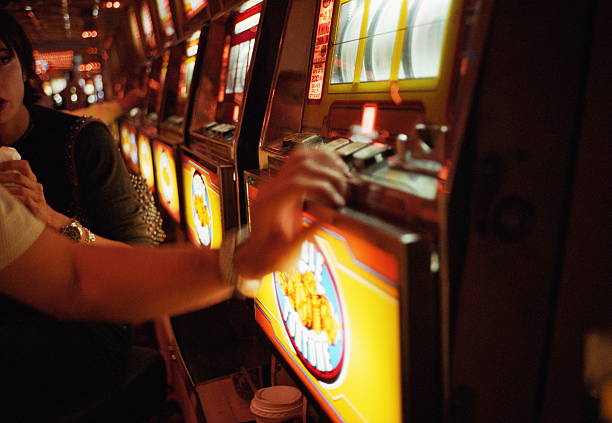
Throughout the 20th century, technological advancements also played a significant role in the evolution of casinos. The introduction of electronic slot machines in the 1960s revolutionized the gaming floor, allowing for faster gameplay and higher payouts. This innovation not only appealed to a broader audience but also increased revenue for casinos. As technology continued to advance, casinos adapted to changing consumer preferences, paving the way for the modern gaming experience we see today.
The Modern Casino Landscape
The late 20th and early 21st centuries witnessed a dramatic transformation in the casino landscape, driven by globalization and technological innovation. The emergence of online casinos in the late 1990s provided a new avenue for gambling, making it accessible to a global audience. Players could now enjoy their favorite games from the comfort of their homes, leading to a surge in the popularity of online gambling platforms.
As online casinos gained traction, traditional casinos responded by enhancing their offerings, introducing loyalty programs, and incorporating advanced technology into their operations. Mobile gaming apps became a standard feature, allowing players to gamble on the go. Virtual reality and augmented reality technologies have also begun to emerge, promising to provide immersive experiences that blur the lines between physical and online gaming.
The regulatory landscape has also evolved to accommodate these changes, with many jurisdictions developing frameworks to govern online gambling. This has led to an increase in consumer protection measures, ensuring that players can enjoy their gaming experience safely and responsibly. The modern casino experience now includes a blend of physical and digital environments, reflecting the dynamic nature of the industry and its adaptability to changing consumer needs.

Your Guide to the Casino Experience
Understanding the evolution of casinos provides valuable insights into the gaming industry today. As we trace the historical roots of gambling, we can appreciate how societal shifts and technological advancements have shaped modern gaming experiences. The blend of tradition and innovation continues to define the casino landscape, offering something for everyone—from seasoned gamblers to casual players.
Whether you prefer the thrill of a bustling casino floor or the convenience of an online platform, knowing the history enriches your gaming experience. By exploring the journey of casinos from ancient rituals to contemporary gaming houses, you gain a deeper understanding of the cultural significance of gambling. This knowledge can enhance your appreciation for the various offerings in today’s gambling world.
At our website, we strive to keep you informed and engaged with the latest developments in the casino industry. Our comprehensive guides provide insights into the best practices, emerging trends, and historical contexts that shape your gaming choices. Join us as we explore the vibrant world of casinos, ensuring that you are well-equipped to make informed decisions in your gambling journey.